
When Do You Need Emergency Tree Removal?
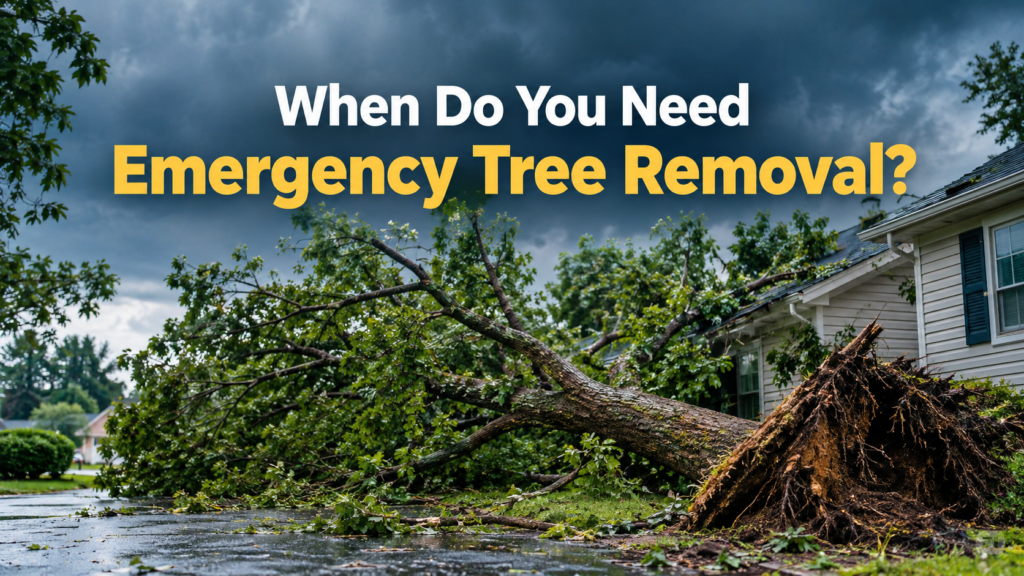
Storms can literally change your whole property in just a few minutes, its kinda crazy. A healthy looking tree may suddenly split, lose big branches, or even fall right onto your home, driveway, or power lines. When that happens, waiting too long to act can make things a whole lot worse. Knowing when to call for professional help can protect your family, your property, and even your neighbors too.
If you live in Amherst, New York, you probably already know how unpredictable the weather can get over there. Heavy rain, strong winds, snow, and ice all put stress on trees all throughout the year. While some tree problems can wait for a scheduled appointment, other ones need immediate attention right away.
This guide explains when you should call for emergency tree removal Amherst NY, what actually counts as a true tree emergency, and why acting fast can save you from way more expensive damage later.
What Is Emergency Tree Removal?
Emergency tree removal is basically a service that’s provided when a tree becomes an immediate danger to people or property. Unlike regular routine tree removal, emergency work gets done as fast as humanly possible because waiting around could increase the risk of injury or some serious damage.
Emergency tree removal often happens after:
- Severe weather
- High winds
- Lightning strikes
- Heavy snow or ice
- Vehicle accidents
- Sudden tree failure
- Root instability
Professional crews use special equipment to safely remove dangerous trees while trying to reduce more damage to stuff around the area.
Why Tree Emergencies Happen in Amherst NY
Amherst deals with a pretty wide range of weather conditions all year long. Trees face constant stress from the changing seasons, so unexpected failures happen way more than most homeowners even realize honestly.
Some of the biggest causes include:
- Strong windstorms
- Heavy snow accumulation
- Ice storms
- Saturated soil after long periods of rain
- Aging trees
- Disease
- Insect damage
- Root decay
Even healthy looking trees can fail during extreme weather, which is honestly kind of scary if you think about it.
This is why homeowners gotta understand the warning signs before an emergency turns into something even worse.
Common Signs You Need Emergency Tree Removal Amherst NY
Not every damaged tree needs to get removed right away. But still, certain situations should never ever be ignored.
A Tree Has Fallen on Your Home
This one’s probably the most obvious emergency out there.
A fallen tree can damage:
- Roofing
- Windows
- Walls
- Electrical systems
- Plumbing
- Structural supports
Even if the damage looks minor at first, the weight of the tree might keep putting stress on your home over time.
Professional removal should start as soon as its safe enough to do so.
Large Limbs Are Hanging Over Your Property
After storms, broken branches sometimes stay stuck way up high in the canopy.
These dangerous limbs can fall without any warning at all.
They can damage:
- Vehicles
- Roofs
- Decks
- Fences
- Outdoor equipment
More importantly though, they can seriously hurt anyone standing underneath, like really bad.
Professionals got the equipment needed to remove these branches the safe way.
The Tree Is Leaning Suddenly
Trees naturally grow at slight angles, that’s just normal.
But if a tree suddenly starts leaning after a storm, it could mean the roots are failing.
Warning signs include:
- Fresh soil movement
- Exposed roots
- Cracks around the base
- A noticeable change in angle
A leaning tree should always get checked out immediately because it could totally fail at any random time.
The Tree Is Touching Power Lines
Trees near electricity make one of the most dangerous situations a homeowner could ever face, no joke.
Never try to remove branches yourself, seriously don’t.
Never touch:
- Trees touching wires
- Broken branches resting on power lines
- Downed electrical cables
Instead, call your utility company and qualified emergency tree pros right away.
Electrical hazards need trained crews with the right safety procedures in place.
A Tree Blocks Your Driveway or Road
After bad storms, fallen trees sometimes end up blocking driveways or even whole neighborhood streets.
Besides just blocking access, blocked roads can also delay emergency vehicles from getting through.
Professional emergency crews can clear the obstruction pretty quick while keeping extra property damage to a minimum.
Major Storm Damage
Lots of calls for storm cleanup happen after:
- Thunderstorms
- Windstorms
- Tornado remnants
- Ice storms
- Heavy snow events
Storm damaged trees might have:
- Split trunks
- Broken crowns
- Hanging branches
- Cracked limbs
- Uprooted root systems
Even if the tree’s still standing there, hidden structural damage could make it unsafe without you even knowing.
Visible Cracks in the Trunk
Deep cracks usually mean there’s some structural weakness going on.
Big vertical splits can mean the tree is pretty close to failing.
These trees need to get inspected right away before another storm makes it collapse.
Tree Roots Have Lifted Out of the Ground
Healthy roots hold a tree firmly in place.
When roots start lifting up, especially after heavy rain or strong winds, the tree might not be stable no more.
This usually means emergency removal is needed before it totally fails.
Dead Trees Become Emergencies Faster Than Healthy Trees
Dead trees are way more likely to fail without any warning at all.
Their wood gets brittle over time, which makes branches snap a lot easier.
If a dead tree is standing close to:
- Homes
- Garages
- Play areas
- Driveways
- Neighboring properties
Removing it right away is usually the safest choice you can make.
Why Quick Action Matters
Some homeowners hope that damaged trees will just stay standing until they got time to schedule regular service.
Unfortunately though, damaged trees don’t really get safer with time, that’s just not how it works.
Waiting can lead to:
| Risk | Possible Result |
| Additional storms | Complete tree failure |
| Hanging branches | Serious injuries |
| Leaning trees | Property destruction |
| Root instability | Sudden collapse |
| Structural damage | Higher repair costs |
| Power line contact | Electrical hazards |
The sooner professionals check out the situation, the lower the overall risk gets for everybody.
How Professionals Handle Emergency Tree Removal
Emergency tree removal is pretty different from just routine tree cutting.
Safety always comes first, no matter what.
Most emergency jobs follow these steps below.
Step 1: Safety Assessment
The crew first figures out what the immediate dangers are.
They inspect:
- Power lines
- Structural damage
- Tree stability
- Nearby buildings
- Utility hazards
If electrical hazards are found, utility companies might get involved before any work even starts.
Step 2: Secure the Area
Professionals keep people away from the dangerous parts of the property.
They might block off:
- Driveways
- Sidewalks
- Streets
- Backyards
This cuts down the chance of more injuries happening.
Step 3: Controlled Removal
Instead of just cutting the whole tree down, professionals remove the damaged sections one piece at a time, real careful like.
This careful approach protects:
- Homes
- Vehicles
- Landscaping
- Utility lines
- Neighboring properties
Big cranes might get used for the extra dangerous trees.
Step 4: Storm Cleanup
Once the hazardous tree’s been removed, crews start doing storm cleanup.
This usually includes:
- Removing logs
- Clearing branches
- Cleaning debris
- Chipping limbs
- Hauling away wood
A lot of homeowners really appreciate leaving their property safe and clean after such a stressful event.
Can You Remove a Dangerous Tree Yourself?
Lots of homeowners own chainsaws and think they can handle emergency situations all by themselves.
Unfortunately though, emergency tree work is one of the most dangerous outdoor jobs out there, for real.
Trees damaged by storms act pretty unpredictable.
Branches can shift out of nowhere.
Trunks might split under all that pressure.
Heavy limbs often stay under crazy tension before suddenly letting loose with a ton of force.
Without the right equipment, experience, and protective gear, serious injuries can happen within just seconds.
For trees involving power lines, leaning trunks, or major structural damage, getting professional help is always the safest option, hands down.
The Most Common Causes of Tree Hazards
Understanding why these emergencies happen can help homeowners cut down on future risks.
Some of the leading causes include:
- Aging trees with weakened wood
- Internal decay that you can’t even see from the outside
- Disease affecting the trunk or roots
- Insect infestations that weaken the structural strength
- Soil erosion around the root system
- Extended periods of heavy rain
- Strong wind events
- Ice accumulation during winter
- Lightning strikes
- Previous storm damage that never got repaired
A lot of tree hazards build up slowly over time before finally becoming obvious during severe weather.
What Should You Do Immediately After a Storm?
After a big storm passes by, your first instinct might be to just walk around your property and check out the damage. While that’s totally understandable, safety should always come first no matter what.
Before you even go near any damaged tree:
- Stay away from trees touching power lines.
- Keep kids and pets indoors until the area’s actually safe.
- Avoid walking under broken or hanging branches.
- Watch out for cracked trunks that could fail without any warning.
- Do not try to move large limbs by yourself.
If you think the tree could be an immediate danger, contact a pro offering emergency tree removal Amherst NY as soon as you possibly can.
What Information Should You Provide When Calling?
Emergency crews can respond way more efficiently when they already know exactly what they’re dealing with beforehand.
When you call, be ready to explain:
- Your address and location.
- Whether the tree fell completely or is still standing up.
- If the tree landed on a house, garage, vehicle, or fence.
- Whether power lines got involved.
- If roads or driveways are blocked off.
- Whether anyone got hurt.
- If the tree keeps shifting or leaning still.
Giving accurate info helps emergency responders show up with the right equipment already ready to go.
Does Homeowners Insurance Cover Emergency Tree Removal?
A lot of homeowners wonder if insurance even pays for emergency tree removal at all.
The answer honestly depends on how the damage happened and what exactly the tree damaged.
In a lot of cases, insurance might help if:
- A tree falls on your home.
- A tree damages an attached garage.
- Storm damage creates immediate structural risks.
- Fallen trees block access to your home.
Coverage might look different if:
- The tree falls without damaging any insured structures.
- The tree was already dead before the storm even hit.
- Poor maintenance played a part in the failure.
Every insurance policy’s different, so homeowners should reach out to their insurance provider ASAP after something happens.
Taking pictures before cleanup starts can also help back up your claim later on.
Final Thoughts
Tree emergencies pretty much never happen at a convenient time. They usually occur during severe storms, late at night, or when strong winds put unexpected stress on trees that were already weak. Knowing the warning signs lets homeowners act before a dangerous situation gets even worse than it already is.
If you notice leaning trees, cracked trunks, hanging limbs, or fallen trees after bad weather, don’t wait around to see what happens next. Fast action can protect your family, cut down repair costs, and stop more damage to your home.
Professional emergency tree removal services got the training, equipment, and experience needed to safely handle hazardous trees under tough conditions. Whether you need storm cleanup, removal of dangerous limbs, or help dealing with tree hazards near power lines, choosing an experienced team makes sure the work gets done safely and efficiently.
By understanding when an emergency actually exists and responding fast, homeowners in Amherst can better protect both their property and the people who matter most to them.
Frequently Asked Questions
1. Who should I call for 24 hour tree service Buffalo after a storm?
If a tree fell on your home, is blocking your driveway, or is touching power lines, contact a professional emergency tree service that offers 24 hour response. They got the equipment and training to safely remove hazardous trees at any time, day or night.
2. What does storm damage tree removal include?
Storm damage tree removal usually includes removing fallen trees, cutting down unstable ones, clearing dangerous limbs, cleaning up debris, and restoring safe access to your property after severe weather hits.
3. How is fallen tree removal handled safely?
Professionals first check out the damage, secure the area, and remove the tree in controlled sections using special equipment. This way minimizes extra damage to nearby structures and landscaping.
4. When should I call an emergency arborist?
You should contact an emergency arborist if a tree’s leaning unexpectedly, has major trunk cracks, has big broken limbs hanging overhead, or poses an immediate risk to people or property.
5. Do I need tree removal after storm even if the tree is still standing?
Yes. A tree that’s still standing after a storm might still have hidden structural damage nobody can see. A professional inspection can figure out whether the tree can be saved or if removal’s the safest option.